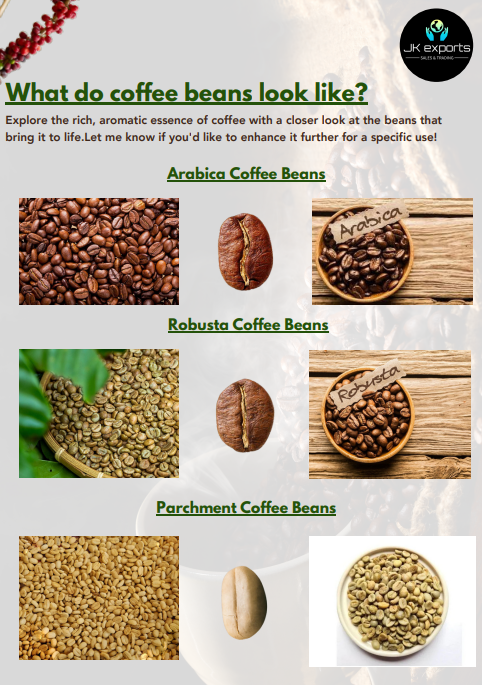
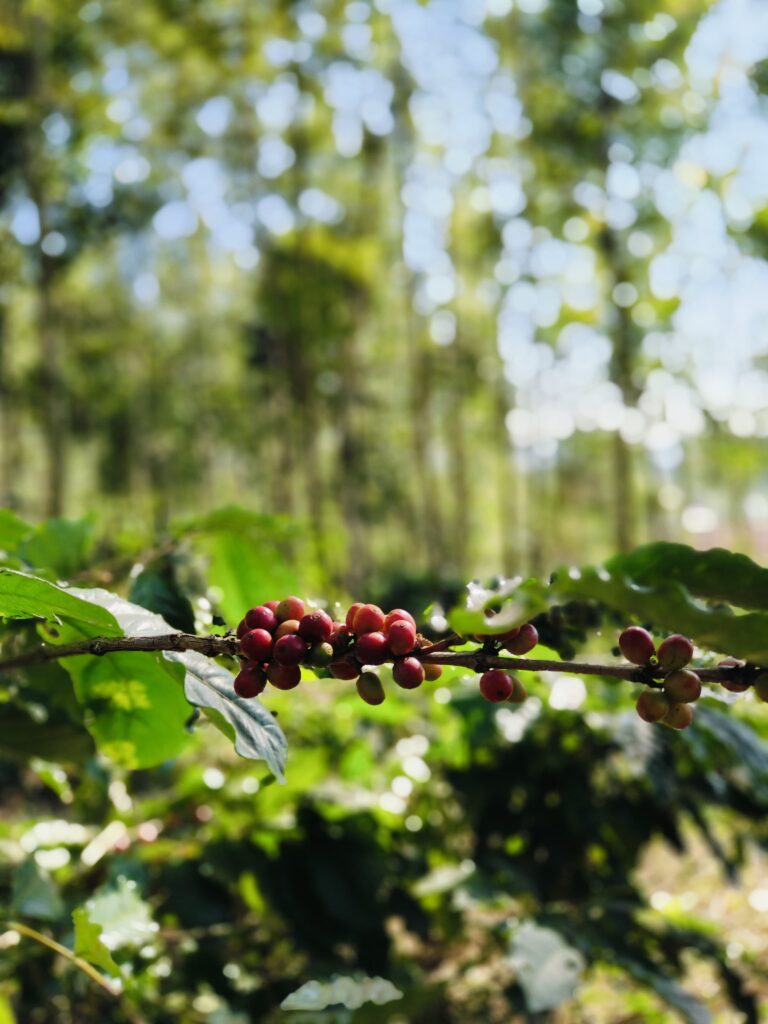
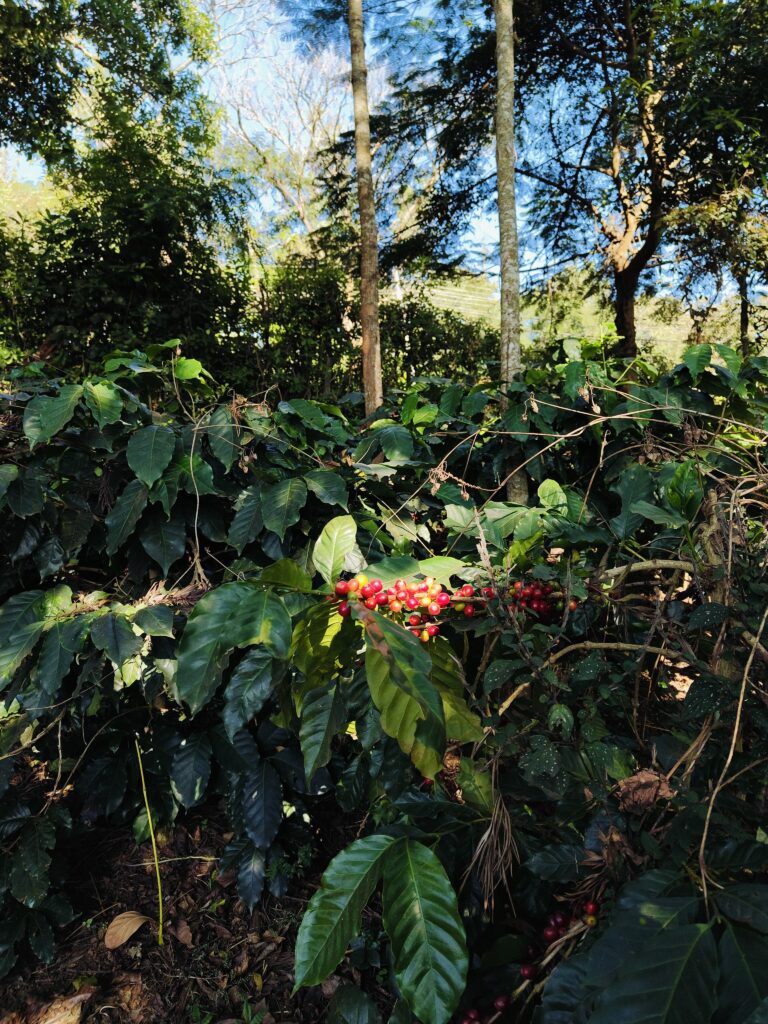
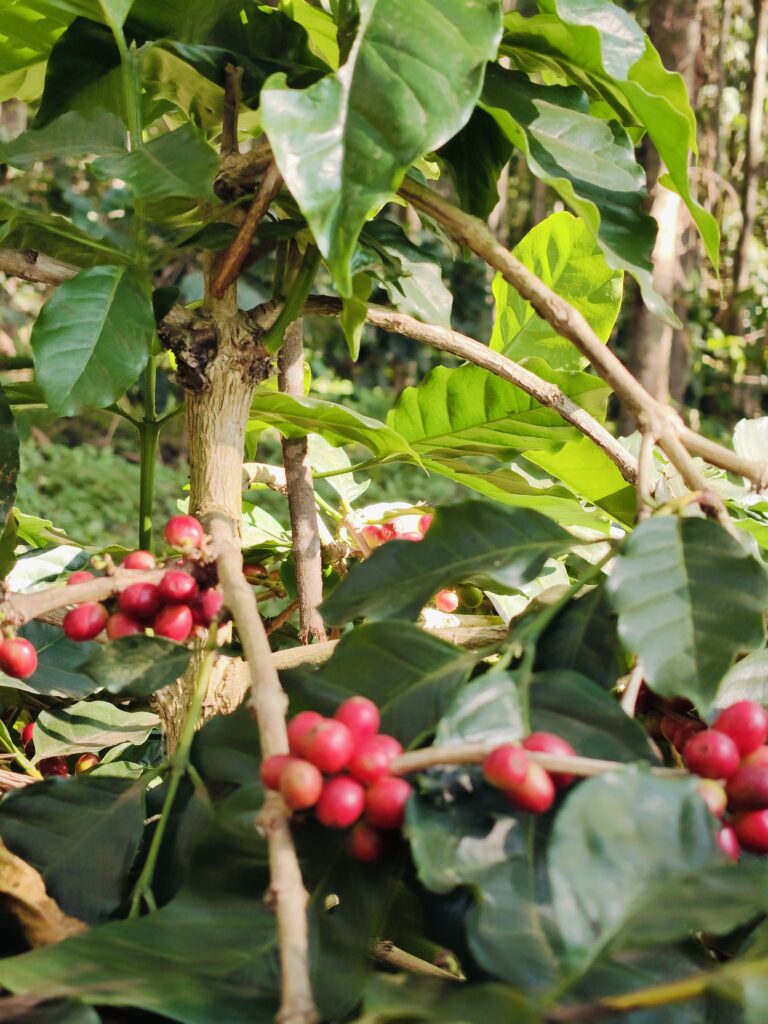
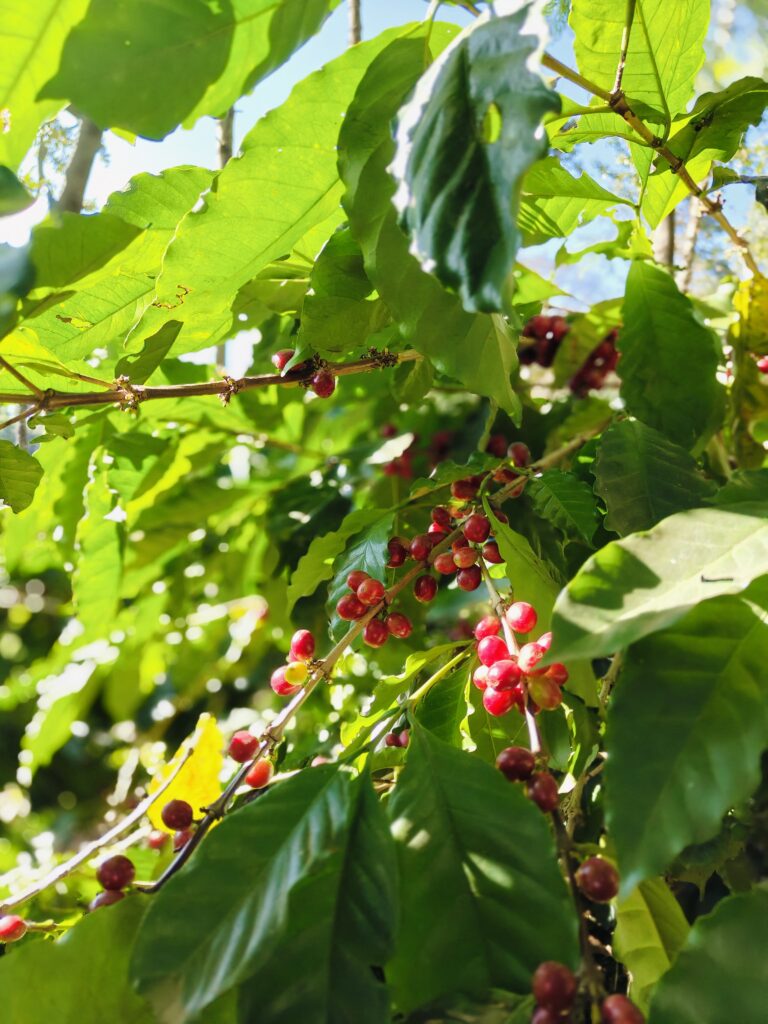
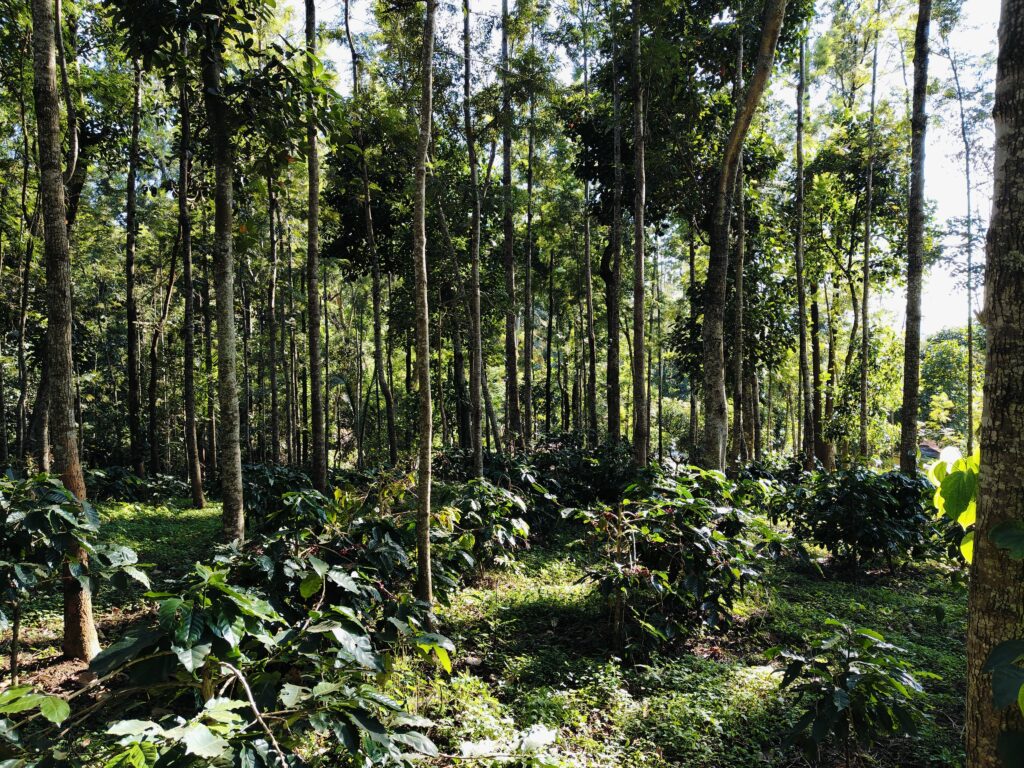
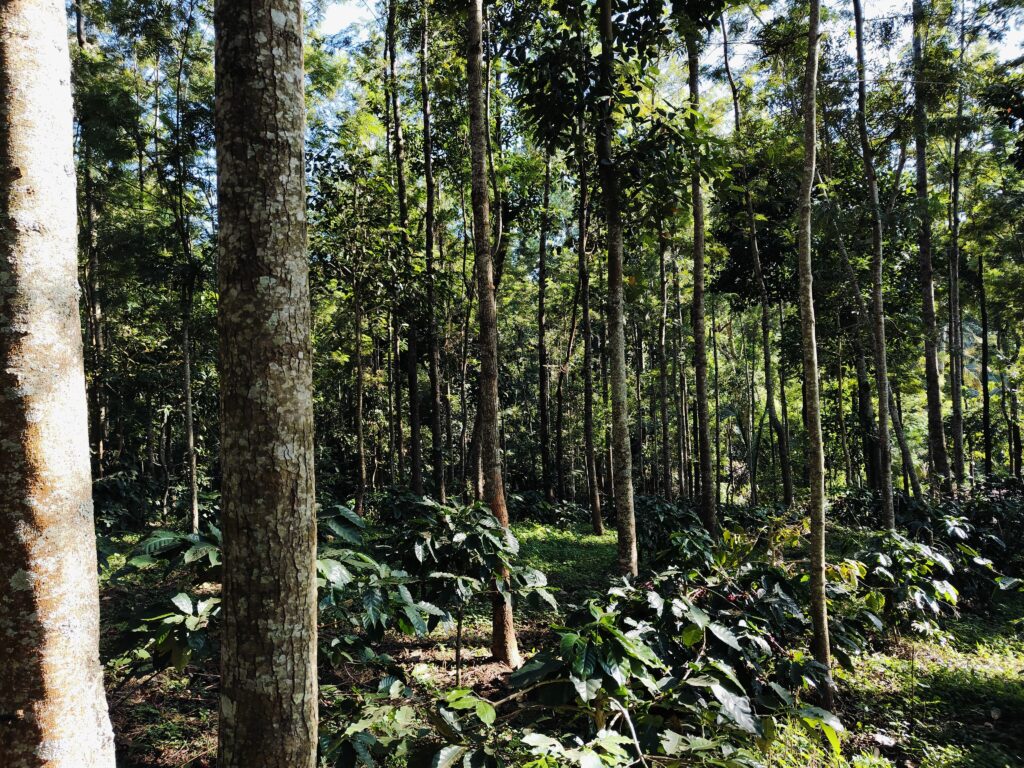
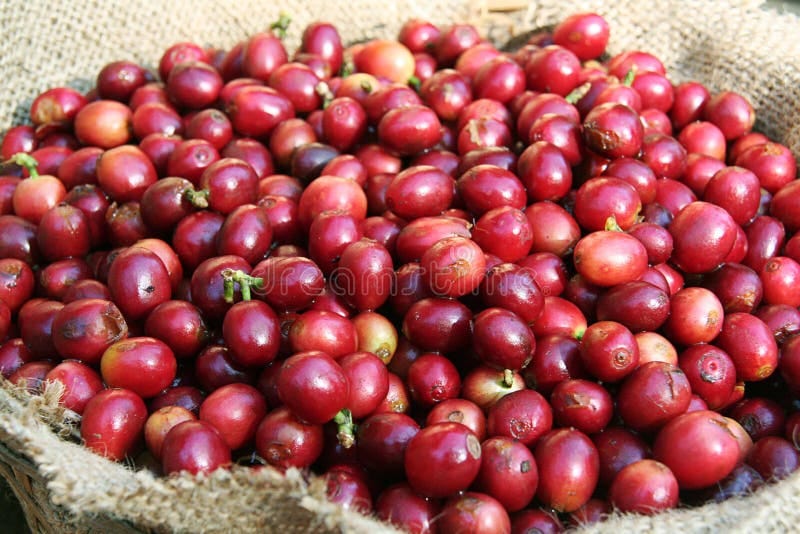
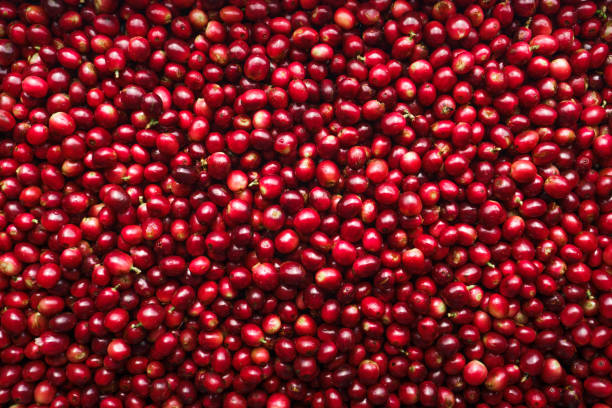
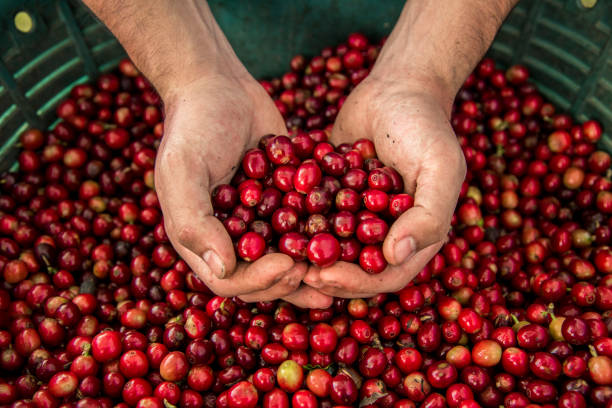
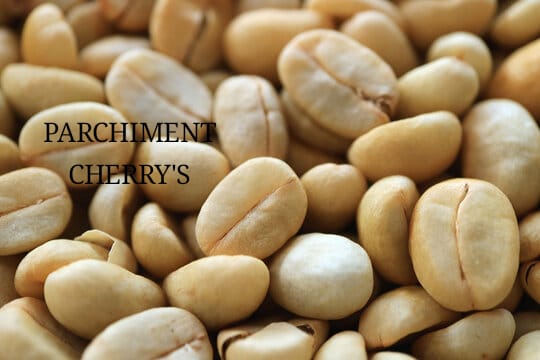
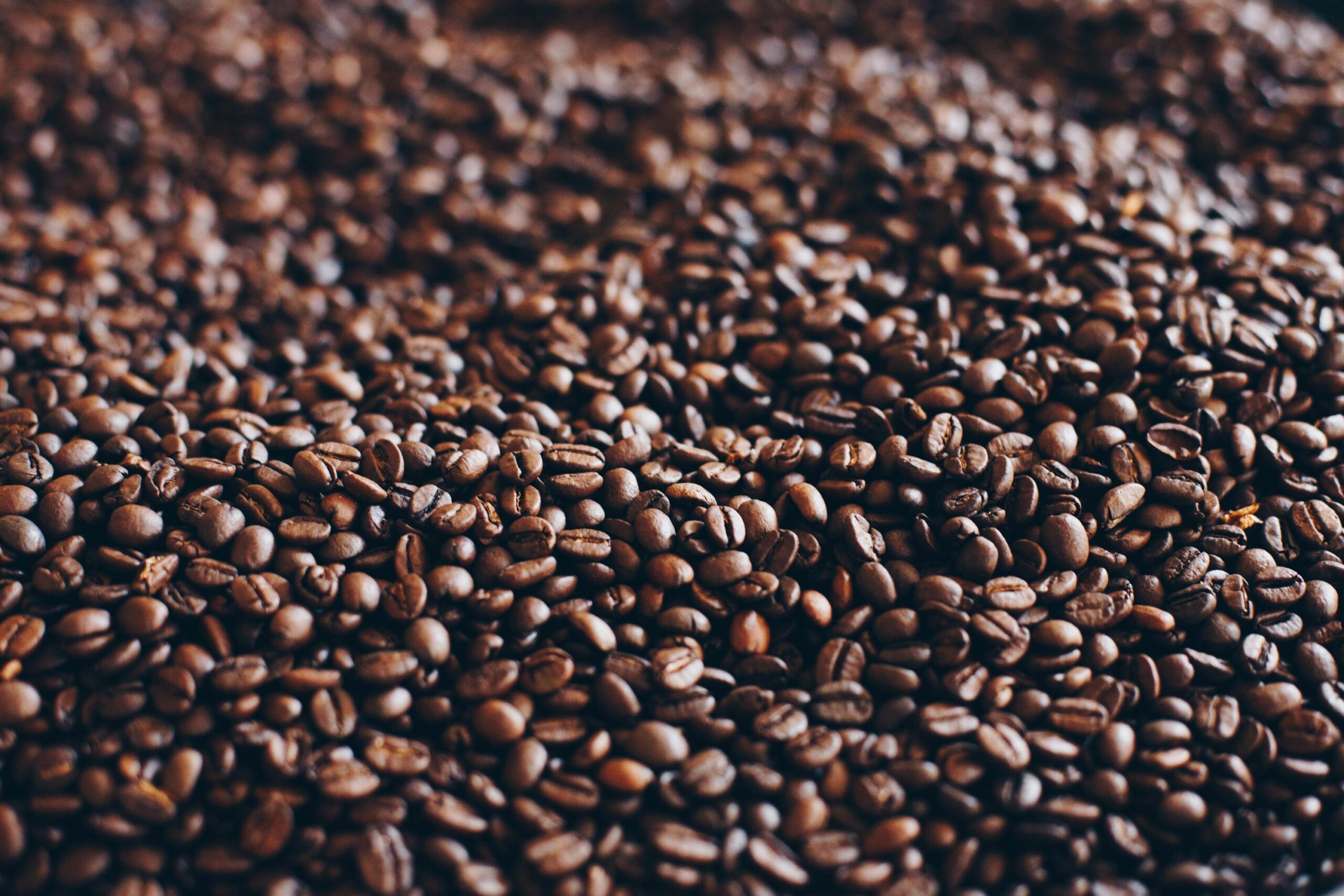
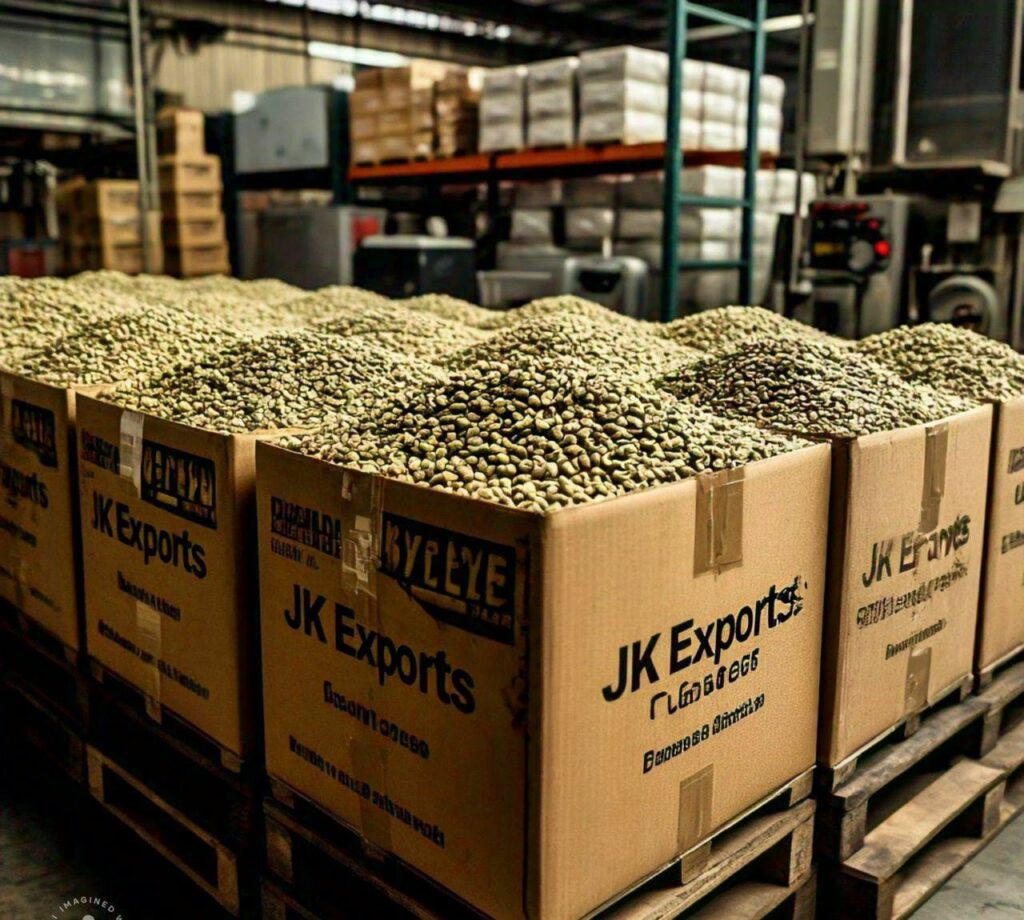
Robusta coffee (scientifically known as Coffea canephora) is one of the two main species of coffee, the other being Arabica (Coffea arabica). Robusta is known for its strong, bold flavor and higher caffeine content. It is primarily grown in regions with low altitudes and warmer climates, such as parts of Africa, India, Vietnam, and Brazil. Key Characteristics of Robusta Coffee: Flavor Profile: Strong, earthy, bitter, and woody notes with low acidity. Caffeine Content: Contains almost twice the caffeine of Arabica coffee. Shape and Size: Beans are smaller, rounder, and have a straighter crease than Arabica beans. Growing Conditions: More resistant to pests and diseases due to its higher caffeine content. Thrives in lower altitudes and warmer temperatures. Uses: Often used in instant coffee, espresso blends, and as a base for coffee blends.
Grading of Robusta Coffee:
Robusta coffee is graded based on physical characteristics, flavor, and defect counts. Grading standards may vary by country, but here are some general grading criteria: Grade 1: Specialty Grade Defects: Maximum of 5 full defects per 300 grams. Flavor: No quakers, no primary defects, clean and consistent cup profile. Screen Size: Uniform beans (e.g., 17/18). Grade 2: Premium Grade Defects: Maximum of 8 full defects per 300 grams. Flavor: Slight inconsistencies, but still a good cup quality. Grade 3: Exchange Grade (Standard Grade) Defects: Up to 23 full defects per 300 grams. Flavor: Acceptable for commercial purposes but less refined. Grade 4 and Below: Off-Grade Defects: More than 23 defects per 300 grams. Flavor: Suitable for bulk and instant coffee production.
Arabica coffee
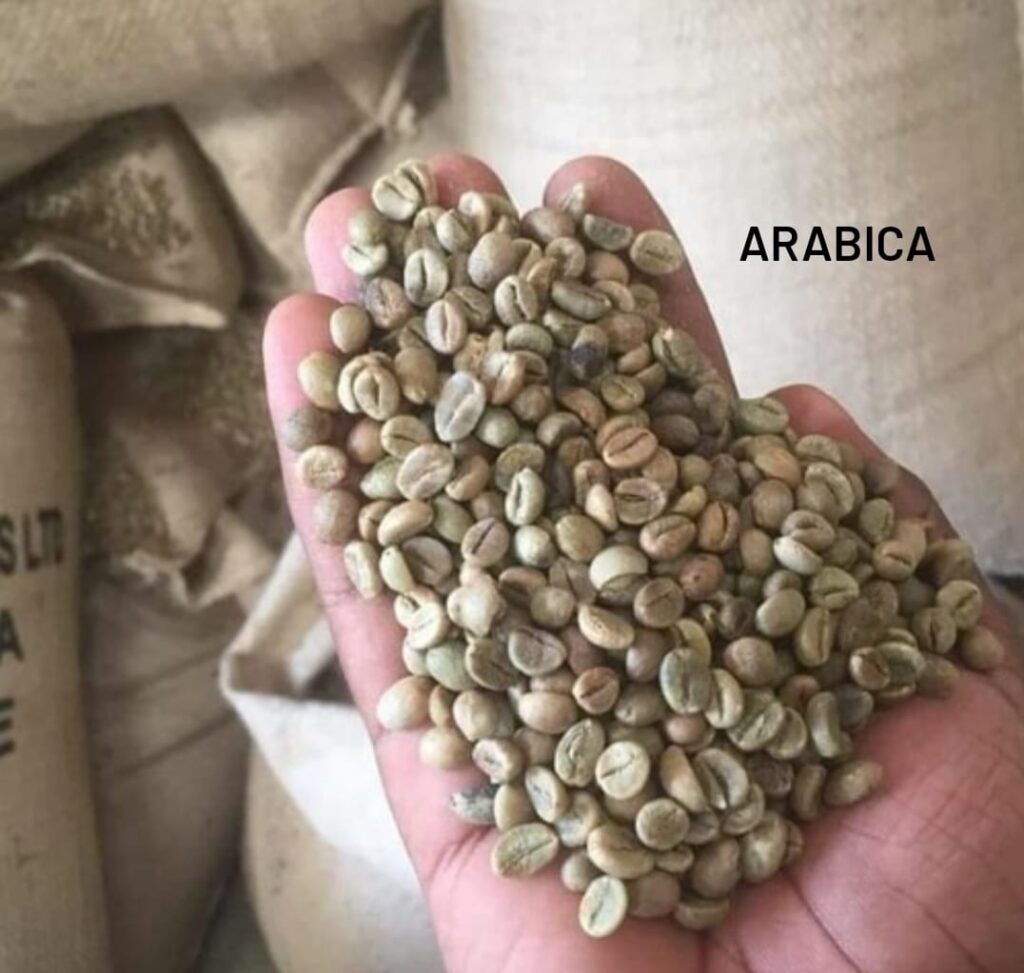
Arabica coffee, known for its superior flavor and quality, constitutes about 60-70% of the world’s coffee production. Its grading system is crucial for determining its quality and market value. Here’s detailed information:
1. Characteristics of Arabica Coffee Flavor Profile: Mild, aromatic, and less bitter than Robusta. Caffeine Content: 1.2%–1.5%, lower than Robusta. Altitude: Grows at high altitudes (600–2,200 meters), which enhances flavor. Shape: Oval beans with a sinuous crease.
Grading of Arabica Coffee
Arabica coffee is graded based on several criteria: A. Screen Size Grade 1 (Supreme): Large beans, screen size 17 or above. Grade 2 (Excelso): Medium to large beans, screen size 15–16. Grade 3 (Standard): Smaller beans, screen size below 14. B. Defects Graded by the number of defects in a 300g sample. Grade 1 (Specialty Coffee): No more than 5 minor defects; no primary defects (e.g., black beans). Grade 2 (Premium Coffee): No more than 8 defects. Grade 3 (Exchange Grade): Up to 23 defects. C. Altitude Strictly High Grown (SHG) / Strictly Hard Bean (SHB): Grown above 1,200 meters; premium quality. High Grown (HG): 900–1,200 meters. Medium Grown: Below 900 meters. D. Moisture Content Optimal range: 9%–12%. Higher moisture leads to poor quality and spoilage. E. Flavor (Cup Score) Evaluated by certified Q-graders on parameters like aroma, body, acidity, and aftertaste. Specialty Grade: Cup score ≥ 80/100. Commercial Grade: Cup score < 80. F. Processing Method Washed (Wet): Cleaner and brighter flavors. Natural (Dry): Fruity and heavier body. Honey Processed: Balanced with sweet notes.
Key Arabica Varieties
Typica: The base variety; low yield but high quality. Bourbon: Known for its sweet and balanced profile. Caturra: High-yielding Bourbon mutation. Geisha (Gesha): Extremely high-quality and expensive, with floral notes. SL28/SL34: Popular in East Africa; complex acidity and flavor.
Arabica Coffee Standards by Country Colombia: Grades: Supremo (screen size 17+) and Excelso (screen size 14–16). Known for balanced acidity and flavor. Ethiopia: Grades: 1 to 9 (based on defects and processing). Famous for floral and fruity notes. Kenya: Grades: AA (highest), AB, PB, etc. Known for bright acidity and berry flavors. Brazil: Graded by NY standards (e.g., NY 2/3 for defects). Chocolatey and nutty notes.
Certifications Certifications can enhance marketability: Organic: Grown without synthetic inputs. Fair Trade: Ethical sourcing. Rainforest Alliance: Sustainable farming.
Health Benefits
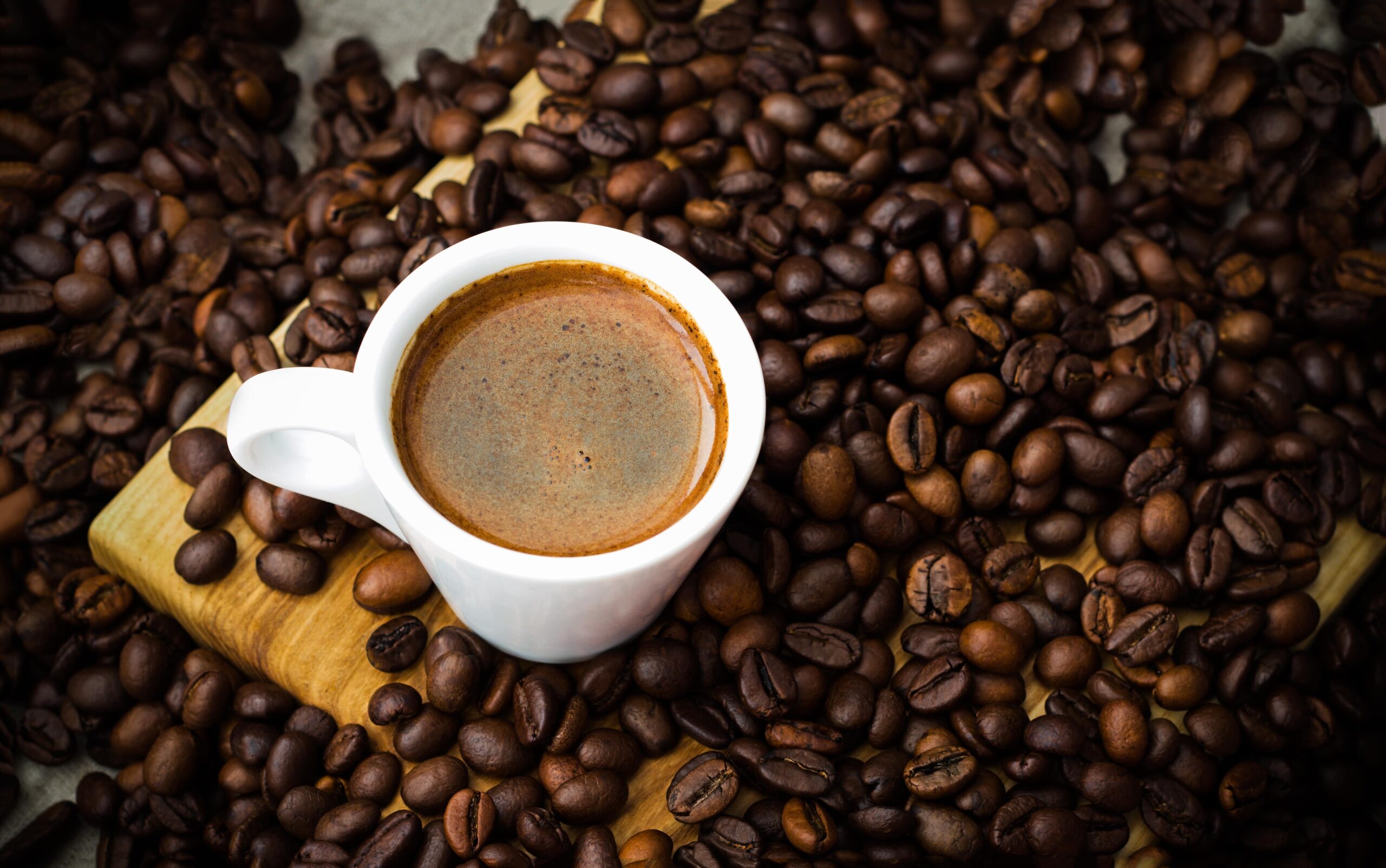
In moderation, coffee is known to have various health benefits, such as boosting mental alertness, providing antioxidants, and possibly reducing the risk of certain diseases (e.g., Parkinson’s disease, type 2 diabetes). However, excessive consumption can lead to negative effects like anxiety or disrupted sleep.
Each coffee bean, its origin, and how it’s processed contributes to the unique experience of the cup you enjoy.